Pacific Incognitum - The Pacific Mastodon Story
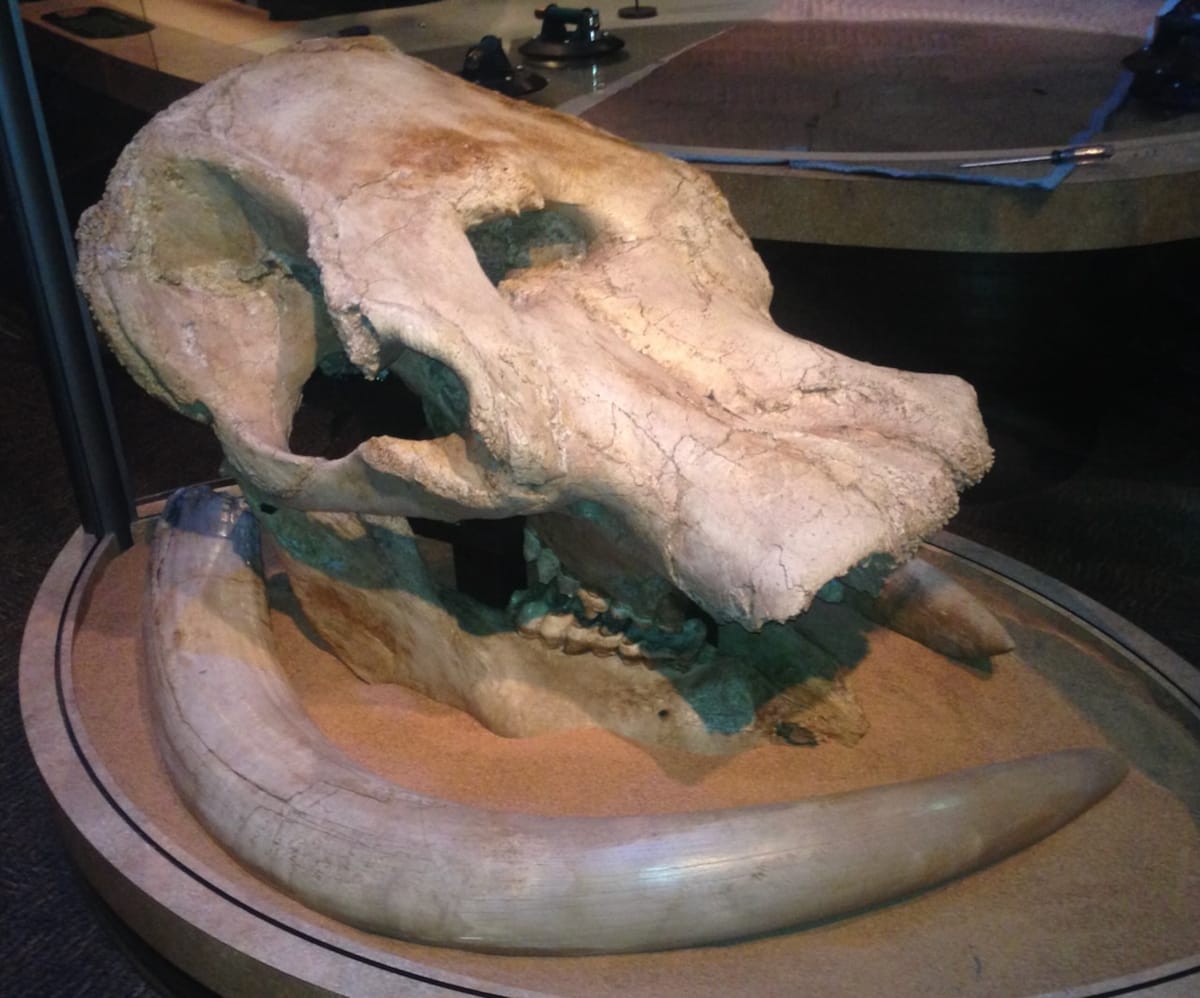
This is the 3rd in our monthly series of posts celebrating Western Science Center's 20th anniversary.
It was supposed to just be an exhibit upgrade.
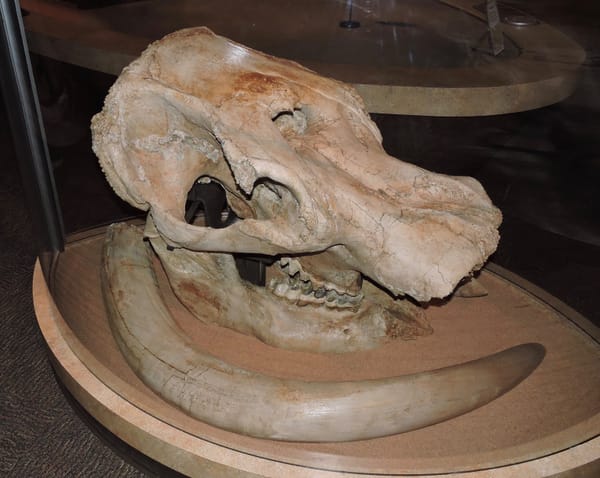
Last month I talked about the discovery of Max the Mastodon, and how he became the iconic specimen for the Western Science Center. When I started at WSC in 2014, I realized the we should focus the museum's public image on mastodons. Mastodons were an integral part of the founding of vertebrate paleontology in North America, from the days in the 1700's when they were referred to as the "American Incognitum". We had one of the largest collections of mastodons in the world, along with Max's beautiful, nearly complete skull. His partial skeleton was already one of the centerpieces of our exhibits.
One of the things that "everyone knew" about mastodons was that California mastodons were smaller than those from back east. But Max's discovery cast doubt on this assumption. As Springer et al. noted in 2009, "The remains of Mammut americanum from DVLLF (Diamond Valley Lake Local Fauna) are also significant because many of them are from individuals of relatively large body size. ... For example, a partial (9% complete) skeleton of M. americanum...is estimated to have stood approximately 3.05 m high in life..." They were referring to Max, which was respectably large even by eastern mastodon standards. I wanted to update Max's display to emphasize his large size. But rather than just put up a number, I wanted to show a part of Max's skeleton that visitor's could directly compare to a comparable element from a Rancho La Brea (RLB) mastodon, so that it was immediately observable how big Max was. I decided to focus on the size of his teeth. Teeth are small enough that we could display images or replicas at life-size, making it easy for visitors to grasp how big Max was.
A trip to La Brea takes up an entire day, so I wanted to get my RLB measurements from published data. That was my first mistake; it turns out while a ton of stuff has been published on RLB fossils, almost none of it is on mastodons. I finally found a paper by Trayler and Dundas (2009) that included measurements of a few RLB teeth, They noted these were proportionally rather long and narrow, and relatively small compared to teeth from Missouri. But to my surprise, all of the RLB teeth in their sample were larger than Max's teeth! What was going on?
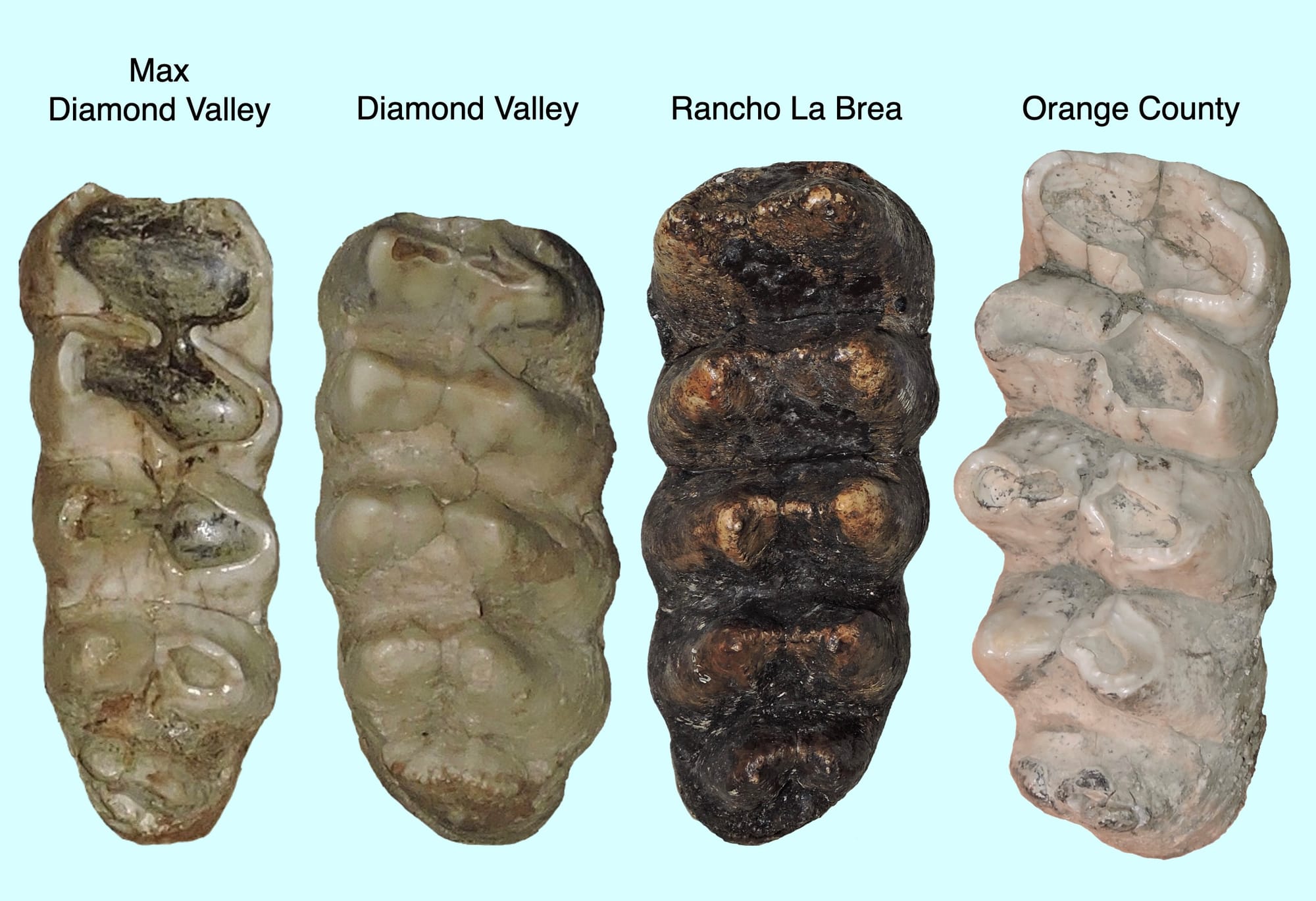
I spoke to my friend Eric Scott (who was a coauthor on the Springer et al. paper) about my surprising find, and we decided to try to get to the bottom of this mystery. Were California mastodons actually small, and was Max actually large? I made trips to RLB to photograph and measure teeth in person, and we presented our preliminary results at the Western Association of Vertebrate Paleontology (WAVP) meeting in 2016.
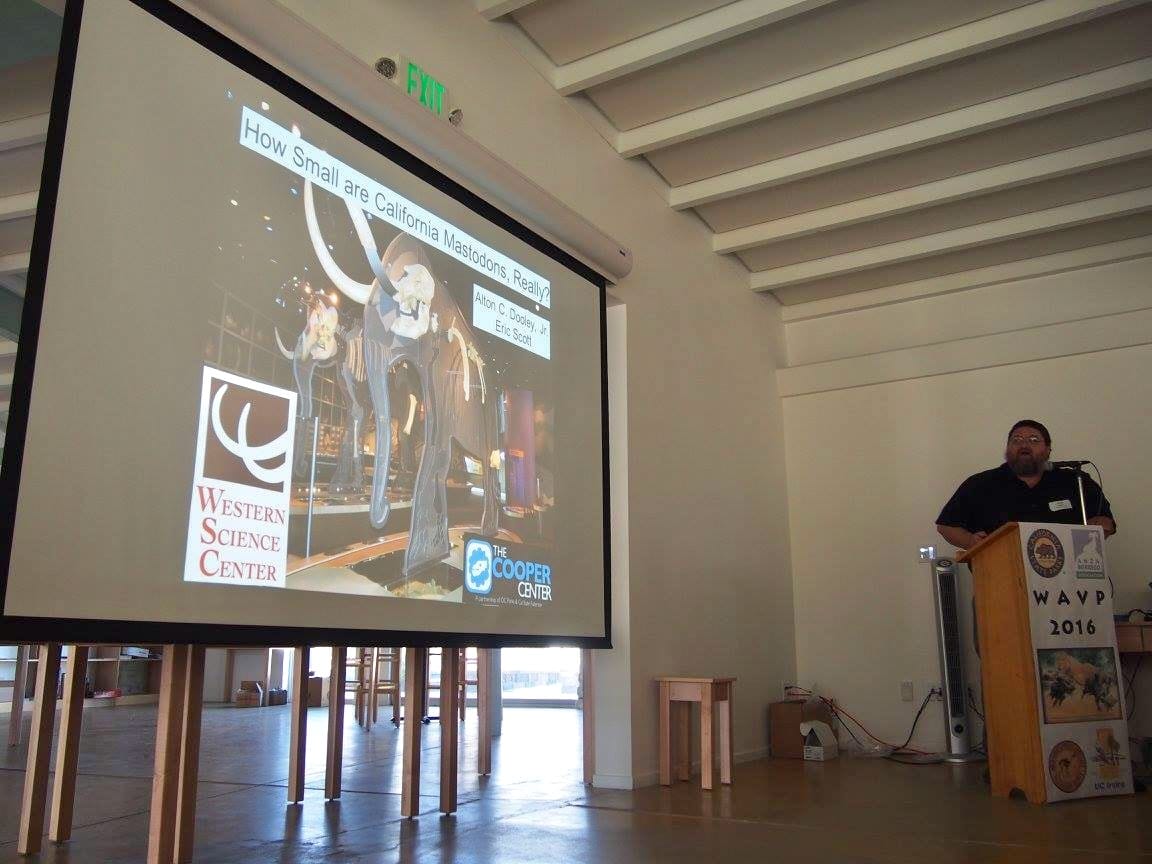
Our findings: Max was indeed a pretty large mastodon if you measured his femur, hips, or skull, but his teeth weren't very big. It seems that mastodon teeth don't necessarily track very closely with body size. Moreover, we found data supporting Trayler and Dundas's observation that California mastodon molars are relatively narrow compared to their length, but we needed more observations to understand that trend. Fortunately paleontologist Greg McDonald was at the same conference, and after our talk he offered to share measurements he had taken on a number of mastodon teeth from across the country.
Even with Greg's data, we needed a larger, more diverse sample. We launched a crowdfunding campaign, "Mastodons of Unusual Size", to help cover costs for additional collections visits. Having raised a few thousand dollars, Brett and I headed to the midwest on a roadtrip with a set of calipers and a Max plushie. We were able to visit six midwest and mountain west museums in two weeks, plus an additional six museums on the west coast, measuring over 400 mastodon teeth.
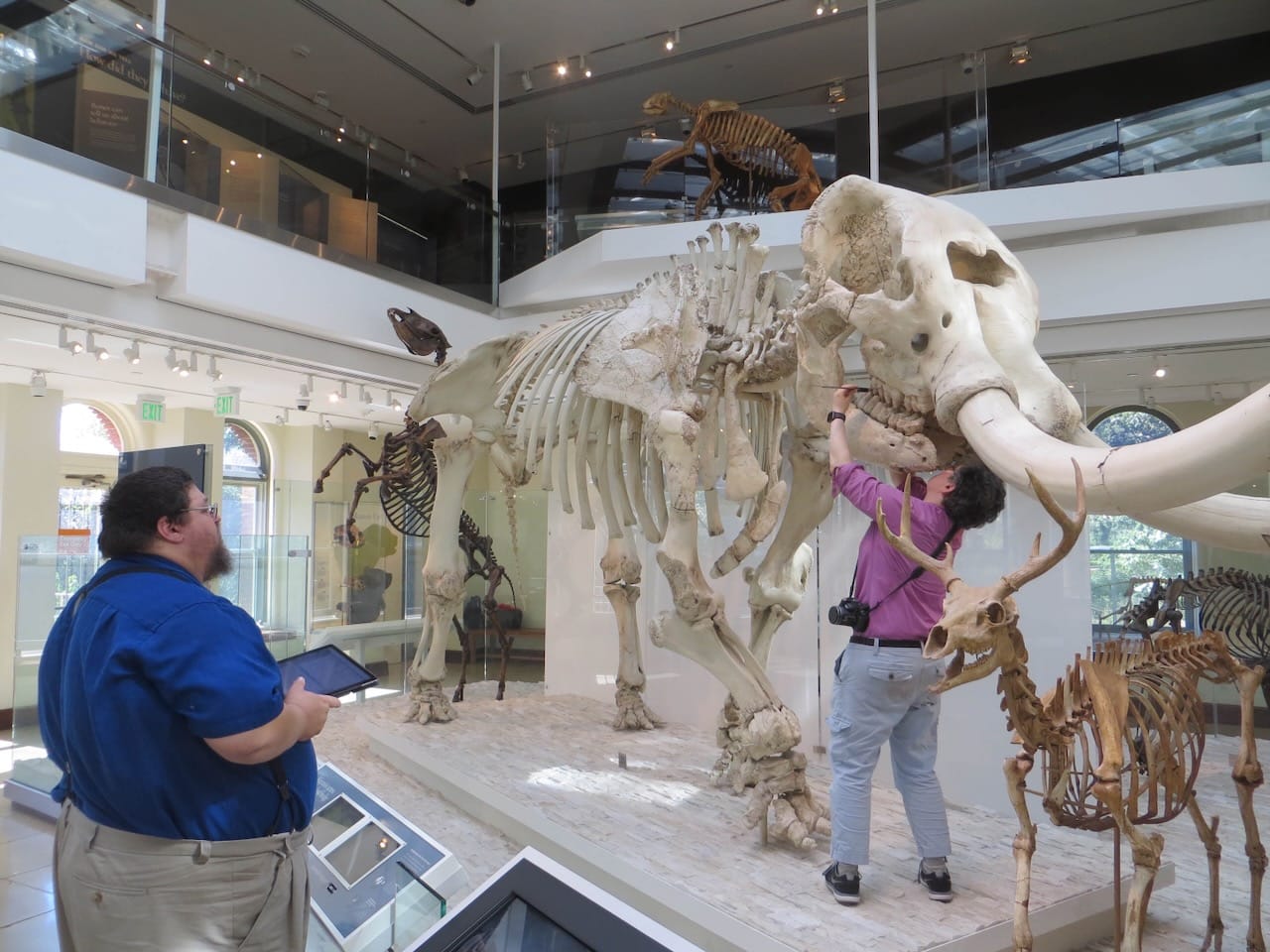
We presented again at the 2017 WAVP meeting. And we found that...yep, California (and Idaho) mastodon teeth really were long and narrow (or, in technical terms, they have a high length-to-width ratio). We also found that there were parts of the country, including the Sonoran and Mojave Deserts and the Rocky Mountains, where mastodons were entirely (or almost entirely) absent. It seemed that there was definitely some kind of population separation going on, but we didn't have a good explanation for it.
In 2017, WSC hosted the "Valley of the Mastodons" conference and workshop. We invited more than a dozen mastodon workers to visit our collections and discuss and present mastodon work. Part of my personal goal with this was to see if anyone had any insights into our data, to see if we were overlooking something. Was this geographic pattern we were seeing in the tooth proportions real, and if so, what did it imply? After our presentation, everyone agreed that our data seemed pretty solid, but no one was sure what it meant (other than that we didn't understand mastodons as well as we thought).
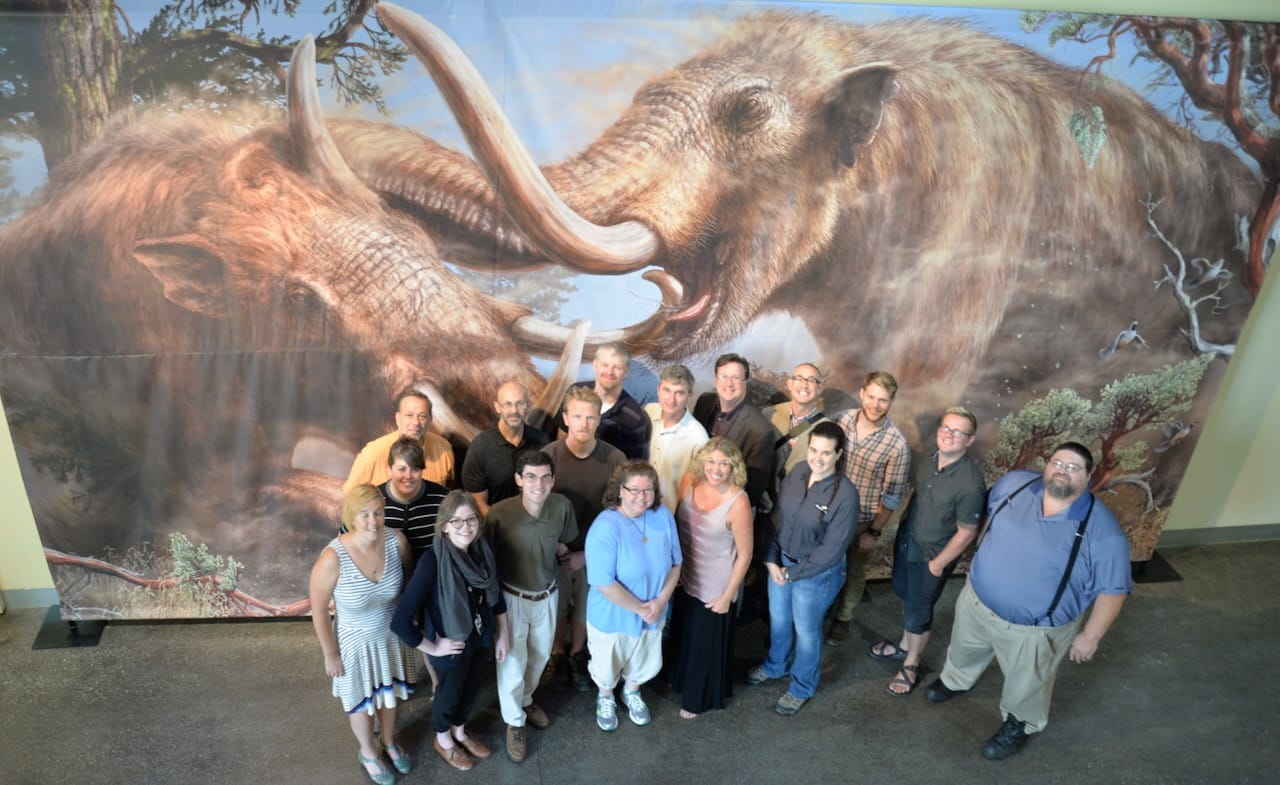
For several months after "Valley of the Mastodons", Eric and I would periodically have lunch and go over all the data again, but we still couldn't come up with an explanation we were happy with. We had run some simple statistical tests that showed that our data was demonstrating real differences in eastern and western mastodons, but we couldn't explain why the differences were present. We considered that the populations might be eating different things, but that didn't fit with the geographic distribution we were seeing. We also considered that the California population might be a small, isolated group exhibiting what's known as a Founder's Effect. But the degree of variation didn't fit this model well, and again, the geographic distribution wasn't a great fit. One evening at dinner, I was laying the whole problem out yet again, using Brett as a sounding board. In frustration, I said something like "You know, if these were rodents instead of mastodons, this wouldn't even be a problem. It would obviously be a new species, and we'd just name it and move on." And then I listened to what I had just said...
Everyone, including me, knew that there was only one species of mastodon in North America in the Late Pleistocene, and that was the American mastodon, Mammut americanum. No mastodon species had been named from North America in over 50 years, and that lived millions of years before the Pleistocene. No widely accepted species of Late Pleistocene mastodon had been named from North America since 1799 (several had been proposed as recently as the 1930's but they didn't pan out, and all were eventually considered to be American mastodons). It was hard for me to believe we had found one; after all, mastodons had been known from California since 1858. I almost apologetically suggested it to Eric over lunch one day, and he was just as skeptical as I was. We decided that the only way we could move forward with the idea was if we could find corroborating evidence in parts of the skeleton that had nothing to do with the teeth - were there other differences that had gone unnoticed?
Now I ran into a new issue. When Brett and I did our grand mastodon data collection trip, I was solving a question about teeth. A new species was nowhere on my radar, so I hadn't really made it a point to gather much data on other bones. I did, fortunately, take measurements of femora (because Max has a partial femur), and took photos of some other elements. I was also able to revisit museums in Southern California, and find additional measurements that had been published in other papers.
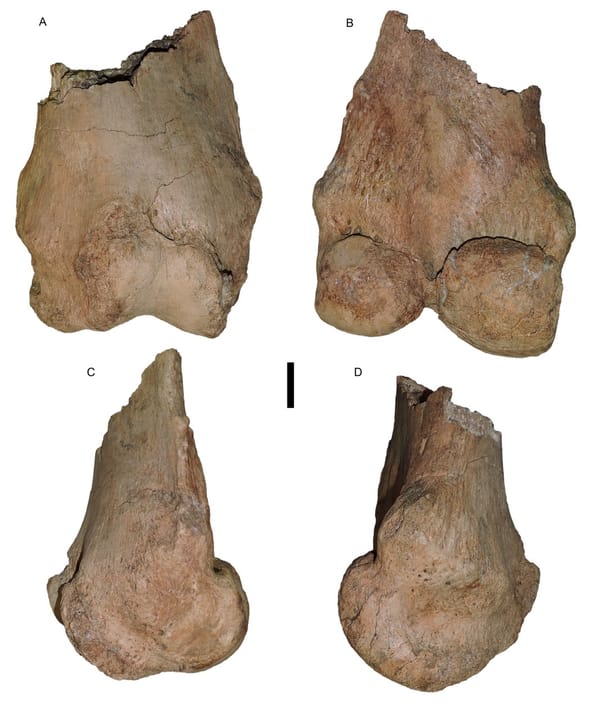
Frankly, at this point I still didn't expect our new hypothesis to pan out. But to our surprise, as the data started accumulating, we started seeing other differences between the mastodon populations besides the teeth. Western mastodons seemed to always have a sacrum with 6 fused vertebrae, while in eastern mastodons there were usually only 5. Chin tusks (small tusks at the front of the lower jaw) occur in about 27% of eastern mastodons, but there's not a single example of chin tusks in any of the 13 known lower jaws from Pleistocene western mastodons. We found that in male mastodons, where the tusks grow rapidly after puberty, the rate of growth seems to be slower in western mastodons. Finally, the femur in western mastodons is thicker for a given length.
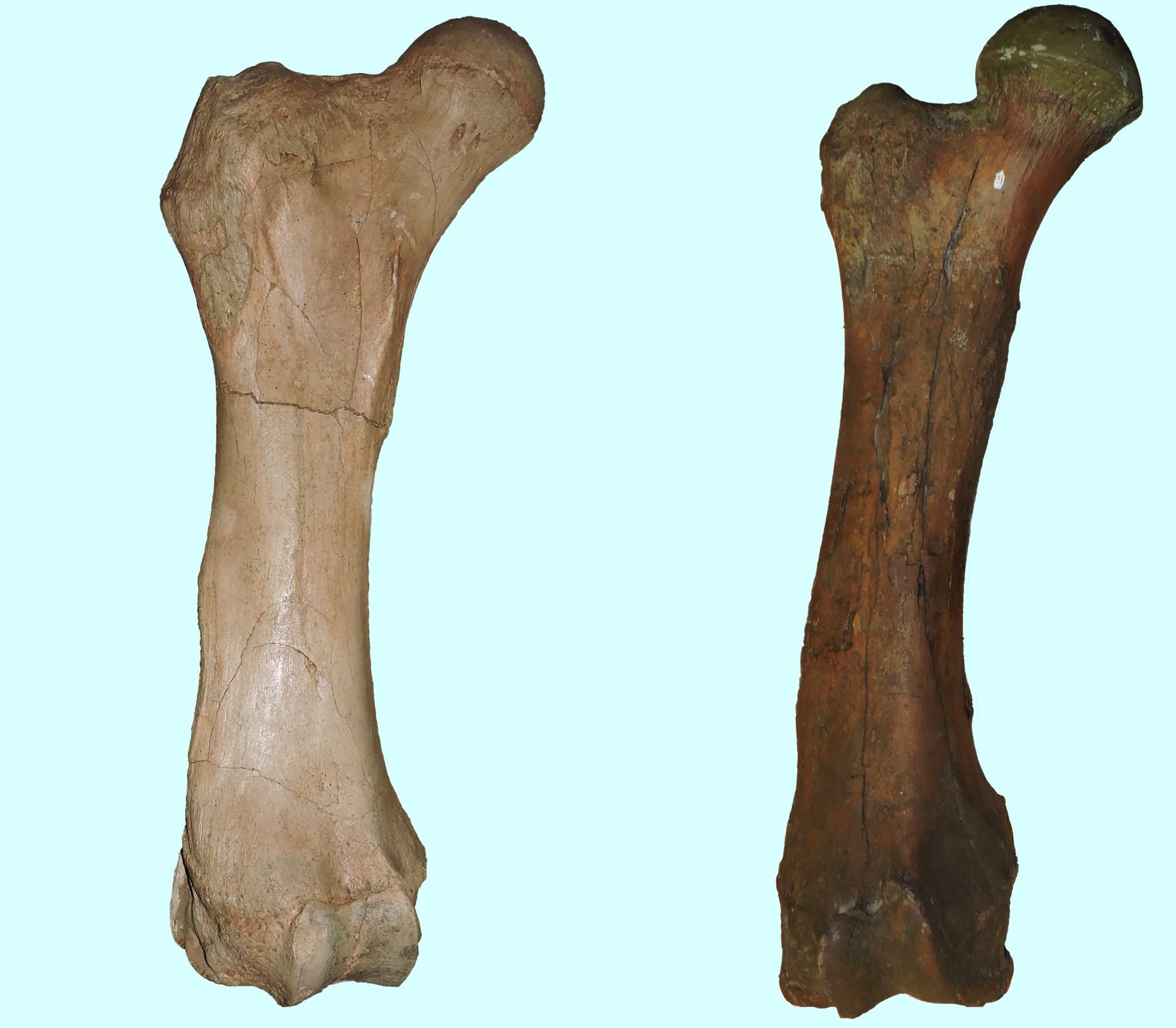
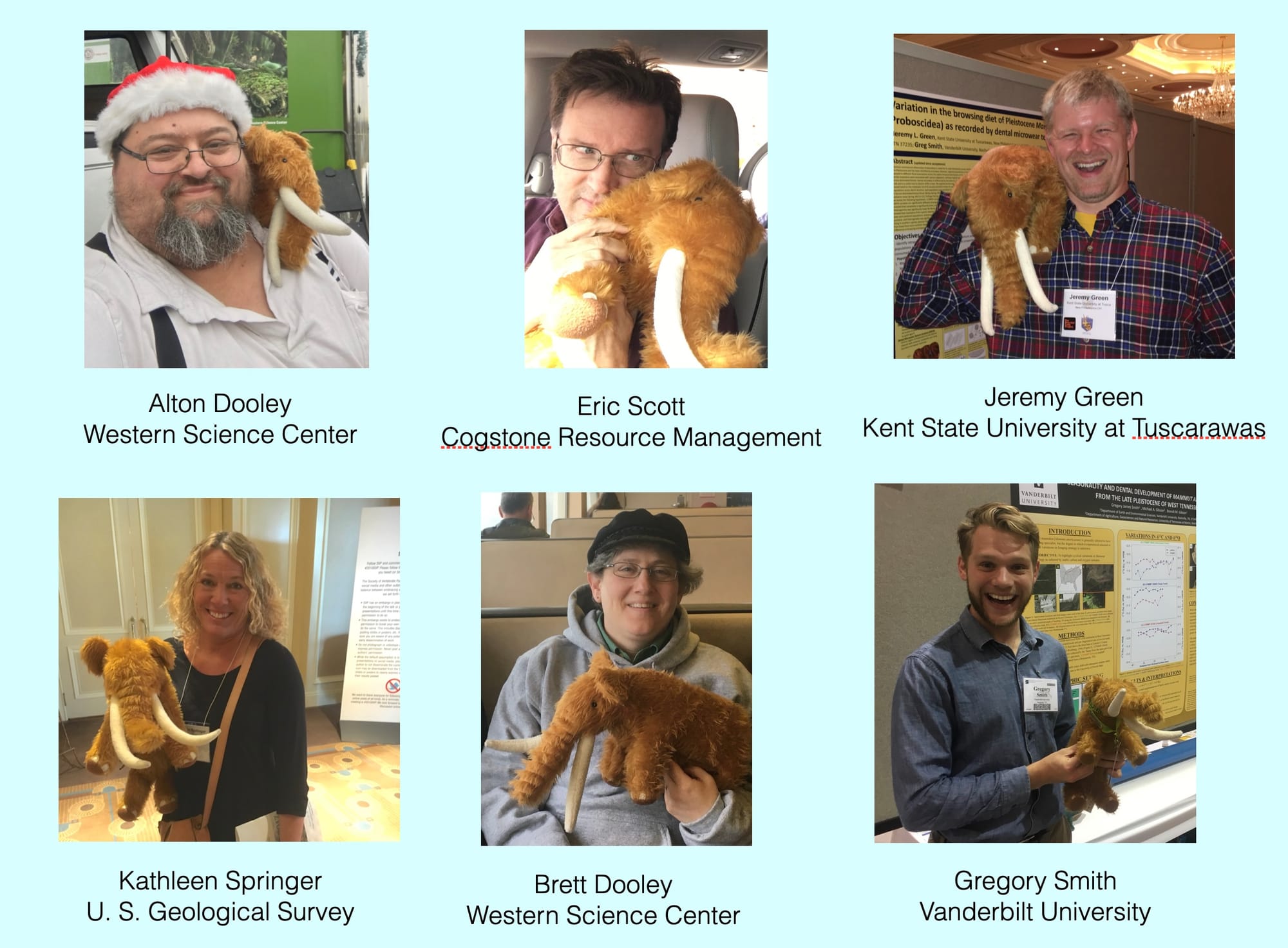
We brought in several more authors, which gave us additional insights, datasets, and analytical skills. As a final test, when we submitted the manuscript, I specifically requested reviewers who were already aware in general of what we were proposing, and had told me that they doubted we were correct; I did not want a rubber stamp on this paper! But the reviews were positive, so in 2019 we published our paper in PeerJ naming a new species for the western mastodons: Mammut pacificus, the Pacific mastodon. We designated Max as the holotype specimen for the new species.
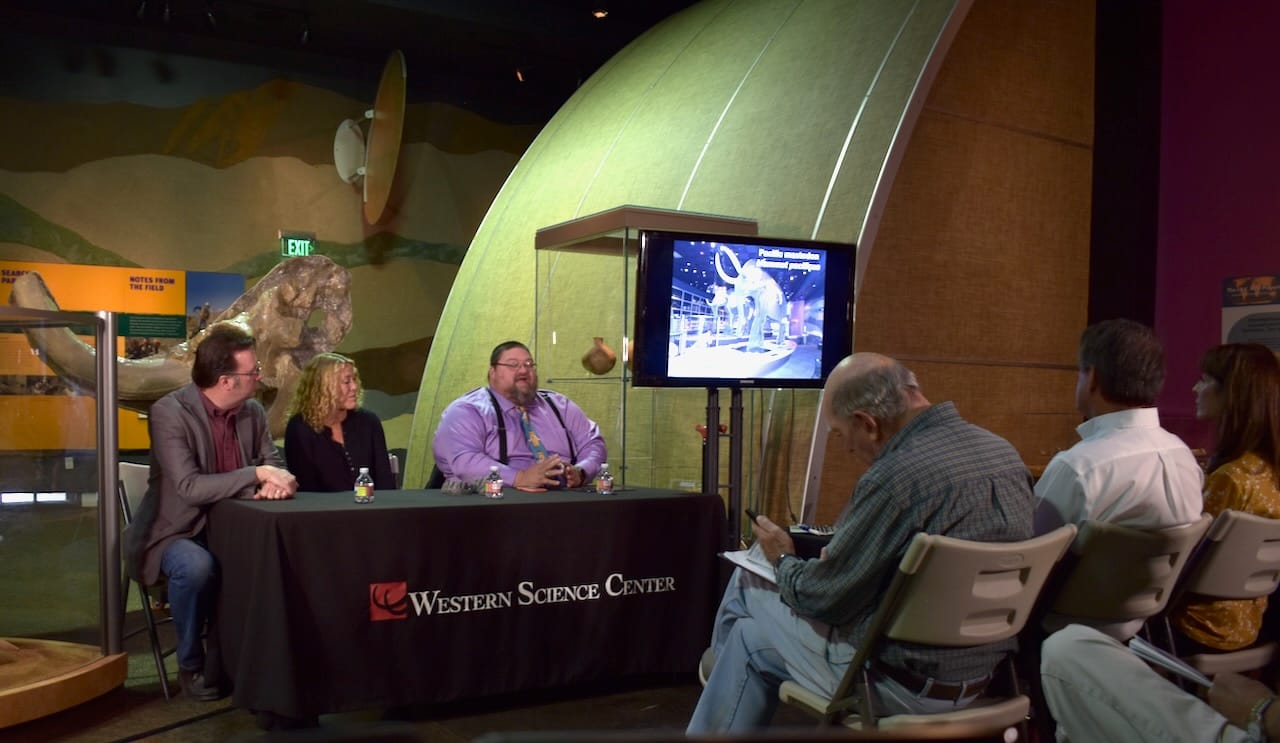
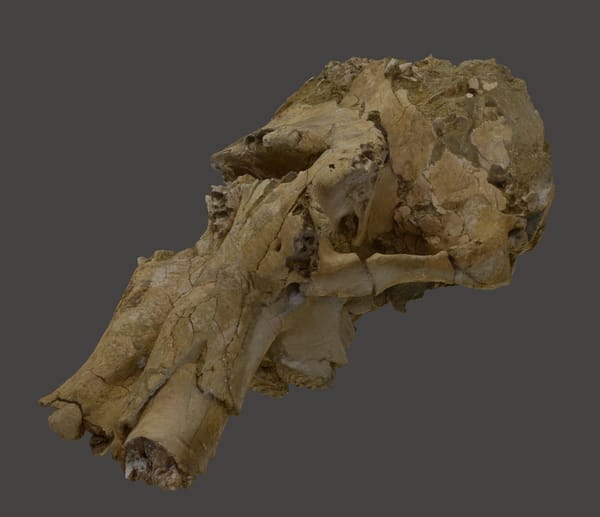
Since that time, things haven't been sitting still. In a series of papers since 2020 research teams led by WSC have identified likely Pacific mastodon remains from Montana and Alberta all the way to Mexico. And research teams led by Harvard's Emil Karpinski have reported genetic evidence that supports the separation of Pacific and American mastodons, and indicates that mastodons had a complex biogeographic history.
The Pacific mastodon story has been interesting in a number of ways. It was never even supposed to be a major research project; it really did start as an attempt to improve an exhibit. It exemplifies why at WSC we consider exhibits and outreach to be an integral part of the research process, rather than something tacked-on as an afterthought. Research and education feed off of and inform each other.
This is also a project in which I (and I think this is true of my coauthors as well) was dragged kicking and screaming to our eventual conclusion. I really didn't want to name a new mastodon species, and for a long time was convinced that one more round of data would finally allow us to dispense with that idea.
Related is how scientists, like anyone, can let our prior assumptions unnecessarily constrain our thinking. One of the main reasons the Pacific mastodon went unnoticed for so long is that everyone (including me) assumed there was only one mastodon species. Given that assumption, if you're interested in working on mastodons, California is the last place you would go to study them; every state in the midwest has more mastodons than California (at least before DVL was excavated). I started looking at mastodons because it was important to the Western Science Center, not because I had a burning desire to study mastodons. But that forced me to actually acknowledge and question my assumptions.
Finally, good research always raises more questions than it answers. In many ways this is becoming a golden era for mastodon research, with multiple labs and working groups studying these animals from different angles. Were Pacific and American mastodons completely isolated from each other genetically, or was there some limited gene flow? How far back in time did the lineages split? Did their respective geographic ranges fluctuate over time, and did they overlap at all? Did they have the same diets and habitat preferences? Are there only two species, or are there other mastodon species that have been unnoticed because they are in smaller collections, or they just haven't been examined in the right way? Science has known about mastodons for over 225 years, but in the last ten years we've found that we barely know anything. As a scientist, that's incredibly exciting!

If you like what you're reading, please consider becoming a paid subscriber or leaving a tip. All proceeds go to cover the cost of maintaining the site and supporting research and education at the Western Science Center.
References:
Dooley, A. C. Jr., Scott, E., Green, J., Springer, K. B., Dooley, B. S., and Smith, G. J., 2019. Mammut pacificus sp. nov., a newly recognized species of mastodon from the Pleistocene of western North America. PeerJ 7(4):e6614
Dooley, A. C. Jr., Widga, C., Stoneburg, B. E., Jass, C., Bravo-Cuevas, V. M., Boehm, A. R., Scott, E., McDonald, A. T., and Volmut, M., 2025. Re-evaluation of mastodon material from Oregon and Washington, USA, Alberta, Canada, and Hidalgo and Jalisco, Mexico.PeerJ 13:e18848 https://doi.org/10.7717/peerj.18848
Karpinski, E., Baleka, S., Boehm, A. R., Fedak, T., Widga, C., and Poinar, H. N., 2025. Repeated climate-driven dispersal and speciation in peripheral populations of Pleistocene mastodons. Science Advances 11 (37), eadw2240. DOI: 10.1126/sciadv.adw2240
Karpinski, E., Hackenberger, D., Zazula, G., Widga, C., Duggan, A. T., Golding, G. B., Kuch, M., Klunk, J., Jass, C. N., Groves, P., Drukenmiller, P., Schubert, B. W., Arroyo-Cabrales, J., Simpson, W. F., Hoganson, J. W., Fisher, D. C., Ho, S. Y. W., MacPhee, R. D. E., Poinar, H. N., 2020. American mastodon mitochondrial genomes suggest multiple dispersal events in response to Pleistocene climate oscillations. Nature Communications 11(1):4048
McDonald, A. T., Atwater, A. L., Dooley, A. C. Jr., and Hohman, C. J. H., 2020. The easternmost occurrence of Mammut pacificus (Proboscidea: Mammutidae) based on partial skull from eastern Montana, USA. PeerJ 8:e10030 https://doi.org/10.7717/peerj.10030
Springer, K. Scott, E., Sagebiel, C., and Murray, L. 2009. The Diamond Valley Lake Local Fauna: Late Pleistocene Vertebrates from Inland Southern California. In Albright, L. B. III, ed., Papers on Geology, Vertebrate Paleontology, and Biostratigraphy in Honor of Michael O. Woodburne. Museum of Northern Arizona Bulletin 65, Flagstaff, Arizona. p. 217-235.
Trayler, R. B. and Dundas, R. G., 2009. American mastodon (Mammut americanum) in the Rancho La Brea Collections of the University of California Museum of Paleontology. Current Research in the Pleistocene, 26:184-186.