Research or Education...Why not both?
This is the 7th in our monthly series of posts celebrating Western Science Center's 20th anniversary.
Scientists spend a lot of time writing. Besides writing grants or other proposals to try to convince someone to pay for research, we write reports or manuscripts describing the results of our research. The "scientific method" as taught in middle schools across the US (Problem–Hypothesis–Materials–Methods–Results–Conclusion) leaves out the final, critical step: Dissemination. The research is of no use unless you tell someone about it.
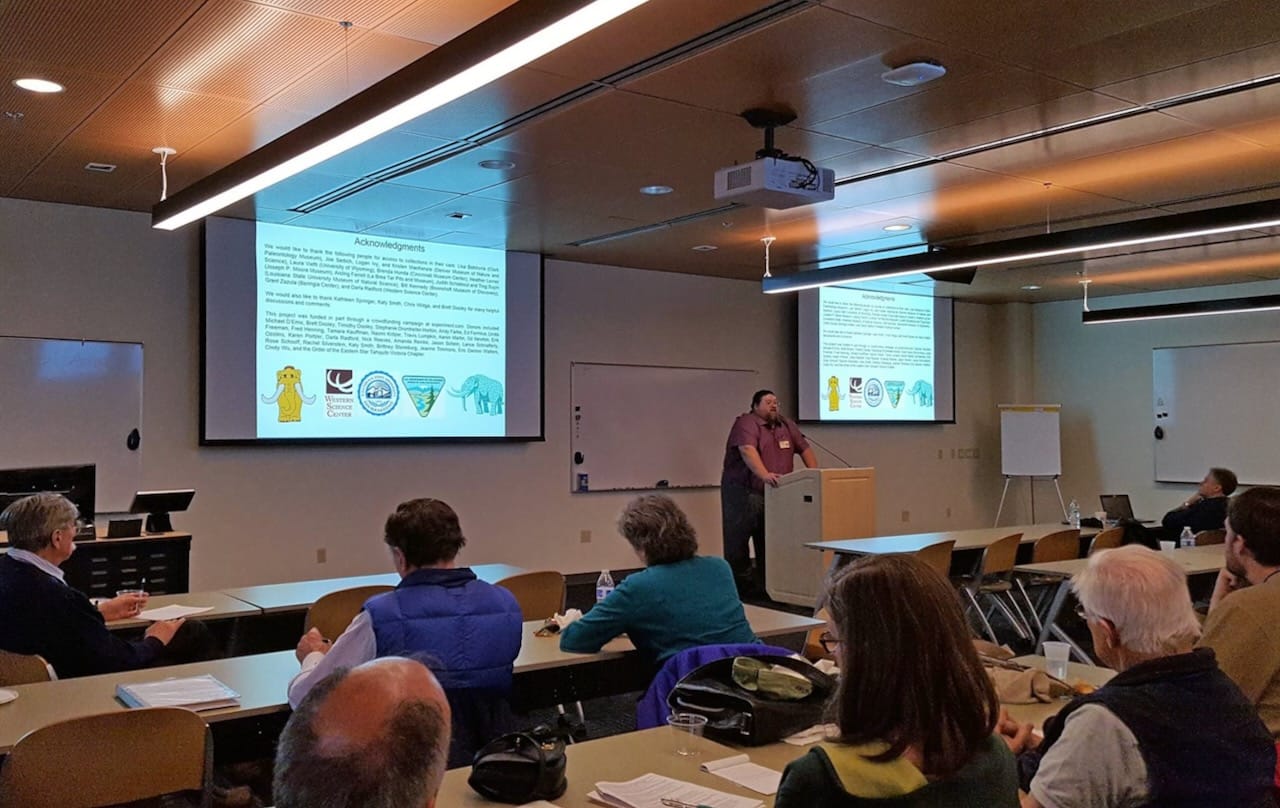
All scientists need to report their work to someone, and the nature of dissemination depends in part on the intended audience. Scientists working in industry will produce internal reports that are then used in product development. Government scientists may write reports to guide policymakers in writing laws or regulations. In academia and academia-adjacent organizations like museums, often the audience is other scientists that work on similar topics, and so the dissemination will be in the form of peer-reviewed manuscripts and conference presentations. The audiences for these reports – other experts – are typically very small. For example, I'm one of probably fewer than 2 dozen people in the world that regularly works on mastodons.
But there are larger audiences to consider. In one way or another, the vast majority of scientific research is funded by the public. Many scientists work at public universities, so their salaries are paid with state tax dollars. Their projects are often funded by federal grants. Most museums are also operated by some level of government using tax dollars, and even private museums like Western Science Center receive government grants and direct donations from their communities. Given that the public is paying for most research, shouldn't the public be a targeted group for the dissemination of that research?
This idea guides Western Science Center's approach to research and outreach; we view them as different and necessary parts of the same process. For us, doing an outreach program or making an exhibit about a research topic is no different than writing a scientific paper about that topic, and is equally necessary to the research process! This permeates our organizational structure. Where most museums will have separate Research, Education, and Exhibits Departments, at WSC we don't really have departments at all. Our structure is more like project-based teams, where each team includes whatever staff is needed to get the job done. Everyone on staff is encouraged to take part in research if they wish, with nearly half of our staff having coauthored a conference presentation or scientific paper. But everyone who does research also is expected to be heavily involved in education and exhibits, and in fact every single employee has been directly involved in public outreach at some point in last year, even if it's not their primary job.
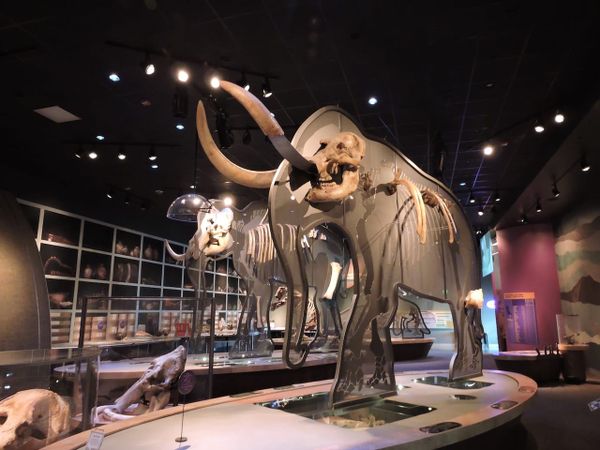
This approach leads to an intertwining of research and outreach that allows them to feed off each other. You reach a point during a research project where you start planning out what an eventual scientific paper might look like. At WSC, we start looking at potential programming and exhibits at about the same time. The feedback goes both ways – sometimes we develop new research projects when working on an exhibit. The most prominent example was the accidental discovery of the Pacific mastodon, and there have been others. A lot of our programming at WSC is designed to take advantage of this approach to research, particularly our Broader Impacts exhibits and our annual PaleoCon event.
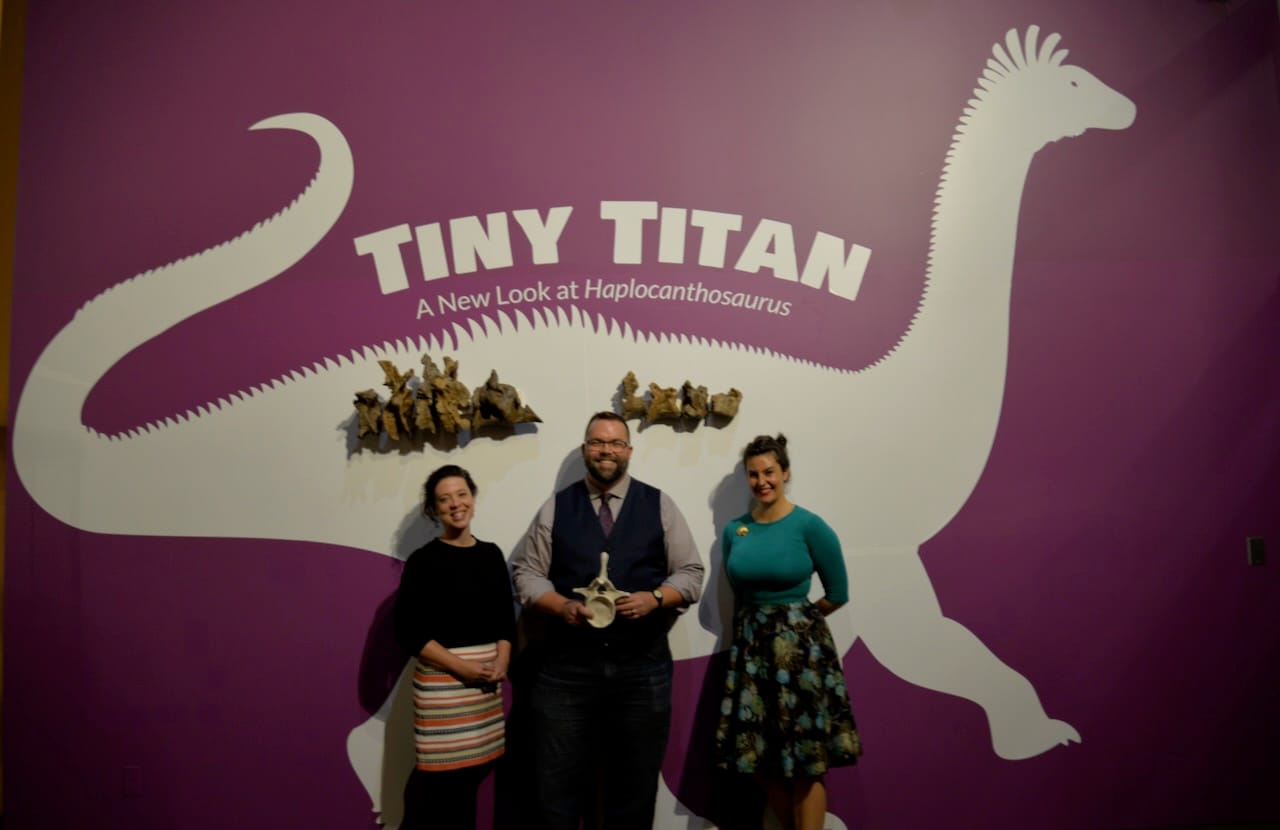
Broader Impacts grew directly out of a conversation I had years ago with my friend Andy Moore. He observed that many skilled professions have physical venues to demonstrate those skills to the public. Actors have theaters and movie screens, musicians have music halls, athletes have stadiums. Scientists have museums. And yet, the vast majority of scientists don't work at museums and don't have ready access to museum exhibit and outreach resources. Broader Impacts (if you've ever applied for an NSF grant you'll recognize the inspiration for the name) is an exhibit program designed to allow scientists to present their work directly to the public, especially scientists who don't work in museums. While some of our Broader Impacts exhibits have featured research by our own staff, others have included scientists who teach at medical schools, community colleges, government offices, and other organizations that don't traditionally have easy access to museums to disseminate their research.
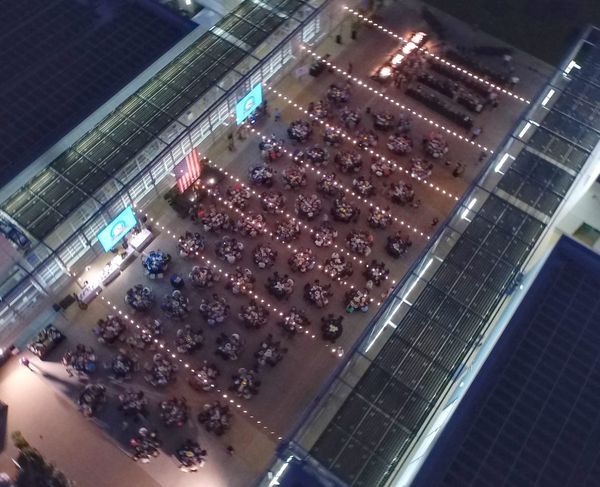
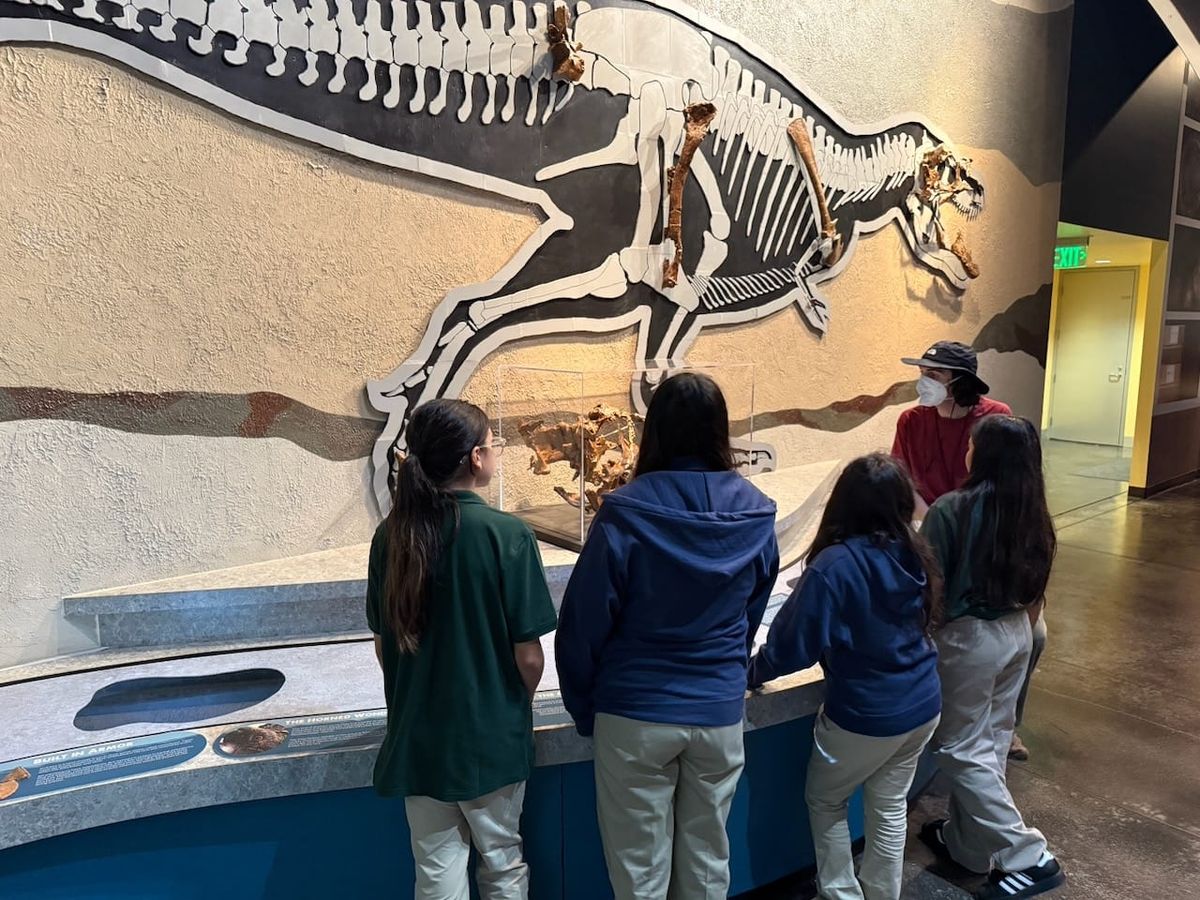
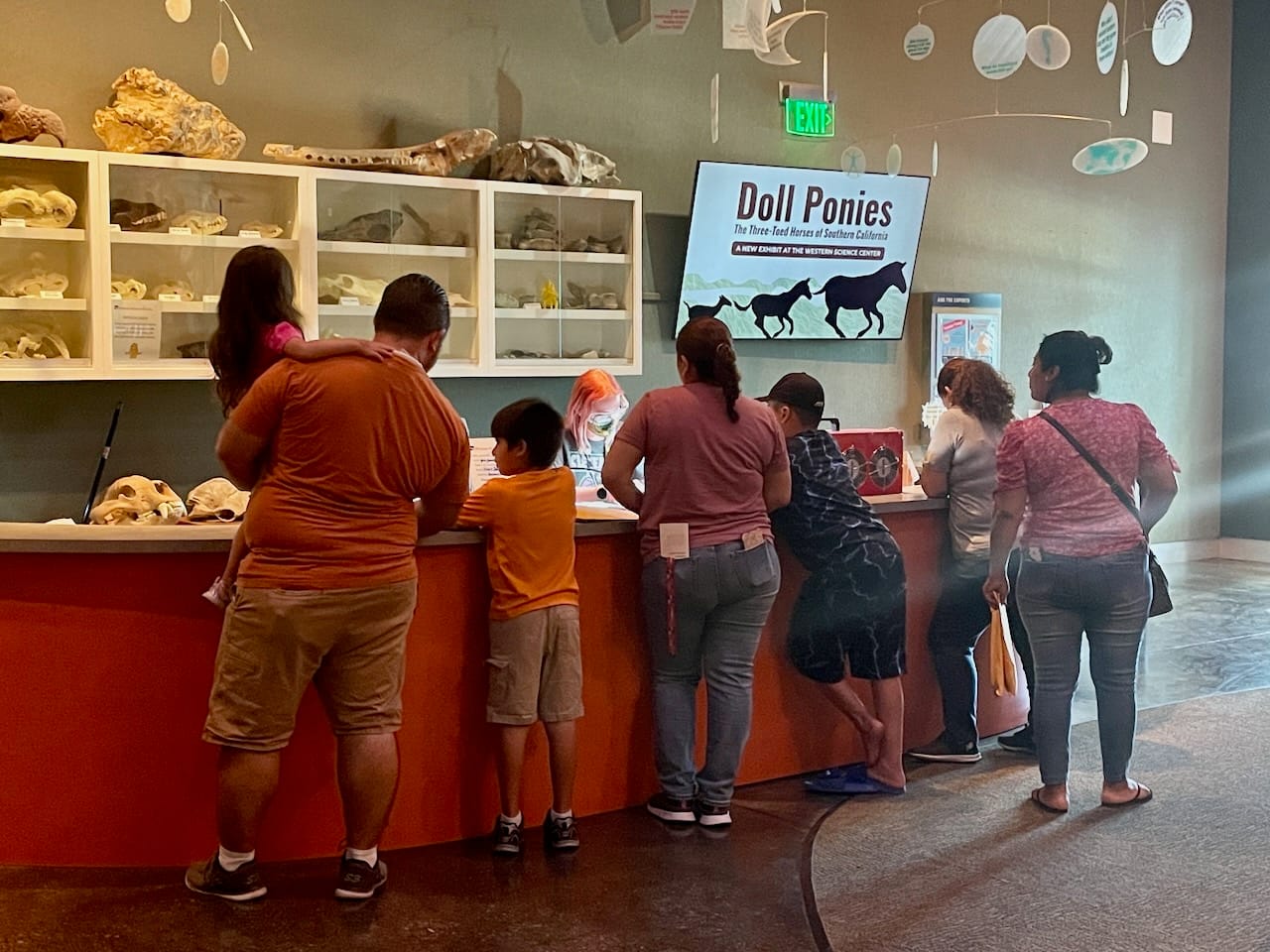
PaleoCon is an annual event hosted by WSC every August; 2026 will mark its 4th year. We invite about a dozen paleontologists, paleoartists, poets and writers to spend 3 days at WSC collaborating and pouring over our collections, collecting data on our specimens and developing and working on potential research projects. But nearly half the time the scientists are here they are also actively involved in outreach. On the 2nd day the entire 6th grade from Western Center Academy comes to the museum to meet the PaleoCon scientists and learn what they're working on. The 3rd day is the public day, when each scientist sets up a show-and-tell table on the exhibit floor to meet our visitors one-on-one and explain what specimens they're looking at and what they're hoping to learn from their projects.
Scientists showing their work to the public at PaleoCon2025.
There is a stereotype of the "ivory tower" scientist, sitting isolated in a lab, generally misanthropic and only willing and able to interact with other scientists. I don't think the stereotype was ever particularly true, but if it ever was it's rapidly disappearing and good riddance. Scientists are part of society, and the work we do is done for and made possible by that society. Showing the world the results of our studies should not be an afterthought.

If you like what you're reading, please consider becoming a paid subscriber or leaving a tip. All proceeds go to cover the cost of maintaining the site and supporting research and education at the Western Science Center.