Science Under the Stars
Sometimes, a community decides they want something, and they just find a way to make it happen.
This is the 9th in our monthly series of posts celebrating Western Science Center's 20th anniversary.
The American Alliance of Museums published a study about 10 years ago showing that collectively, museums contributed about 50 billion dollars to the U. S. economy in 2016. About 2/3 of this was through indirect and induced benefits, mostly to local communities. Yet, for all their positive impact, museums are almost never self-sustaining; admissions, gift shop sales, and other services simply don't generate enough income to offset the operational costs of a museum. In that respect, museums fall into the same category as other institutions such as libraries, parks, zoos, and aquariums – institutions that are not financially self-sustaining but that have dramatic positive effects on the local economy and quality of life. The survival of these institutions depends on either direct taxpayer-funded support or charitable donations.
Hemet and the San Jacinto Valley are solid communities, but they're not overflowing with money; there are no billion-dollar companies with their headquarters here. The area was mostly agricultural businesses and retirement communities for many years, and there are many small, locally-owned businesses. But there has long been a commitment to community development here, with excellent parks and a strong public library. When the construction of Diamond Valley Lake presented the opportunity to establish a museum, the community came together and made it happen. But creating a museum is not enough – it has to be sustained. So each September, the museum's board hosts a fundraiser, Science Under the Stars.
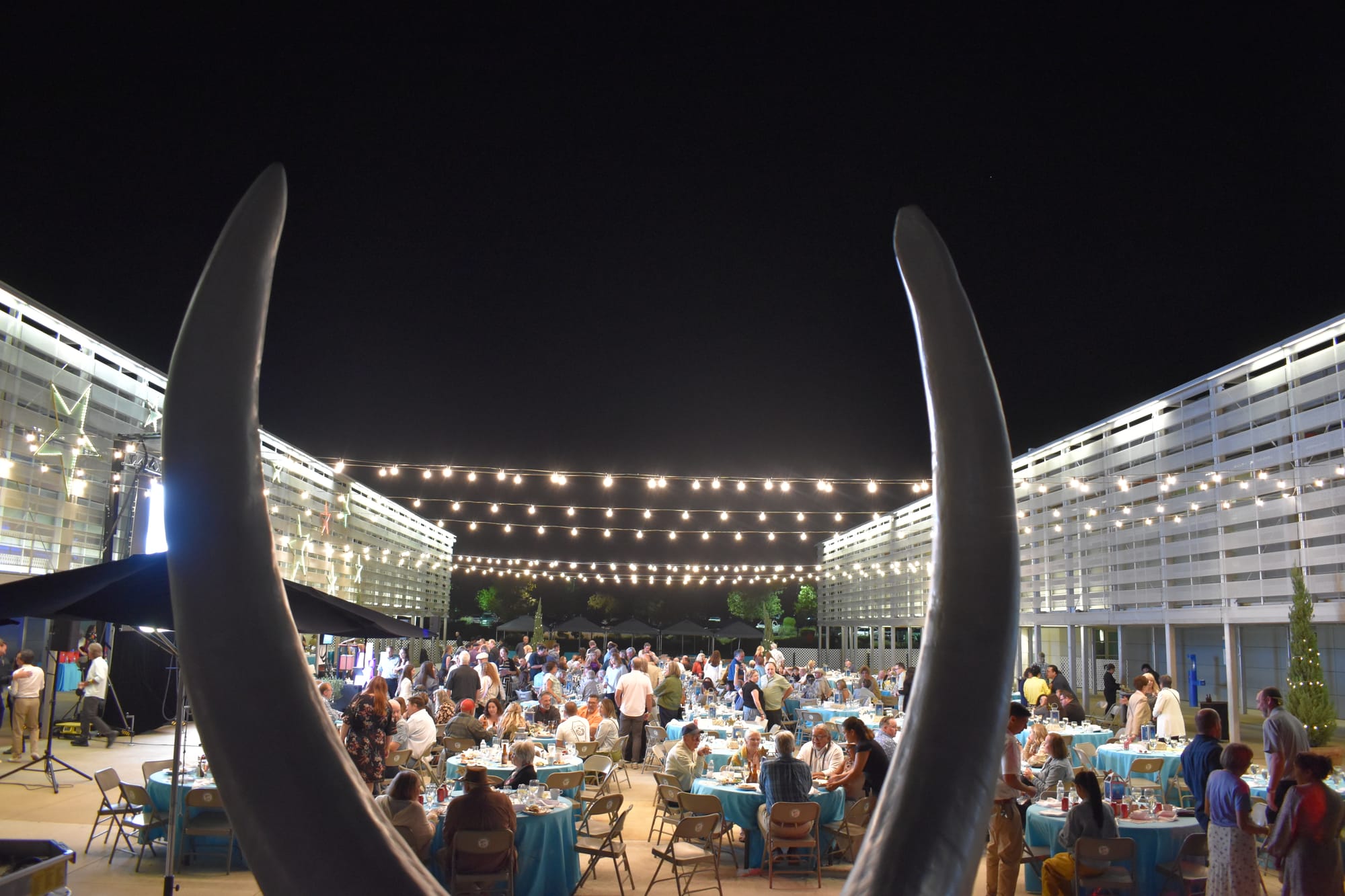
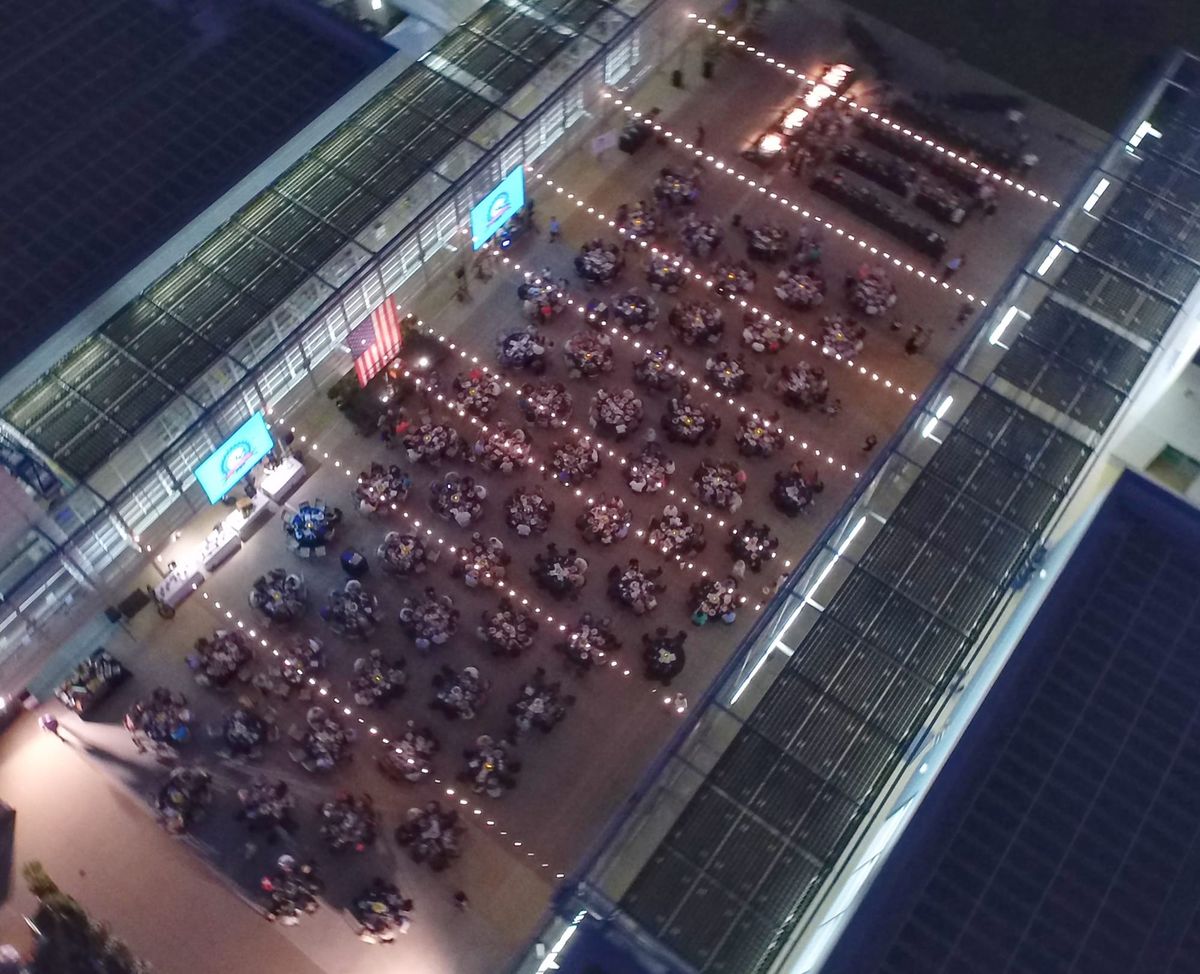
In the most basic sense, Science Under the Stars (or SUS as we refer to it internally) is like most other fundraisers - a dinner and a charity auction. But that description sells SUS short. The event is casual, and takes place outdoors on the museum piazza on a Saturday evening. Auction items are mostly donated by board members or local businesses. Many of the tables are sponsored by board members or by local businesses and organizations, and we usually have around 400 people in attendance. And every year, the event is a spectacular success, typically bringing in around 10% of our entire annual revenue. For context, that is more than we spend on exhibits each year! I have never encountered a museum fundraiser that is so successful, year after year.
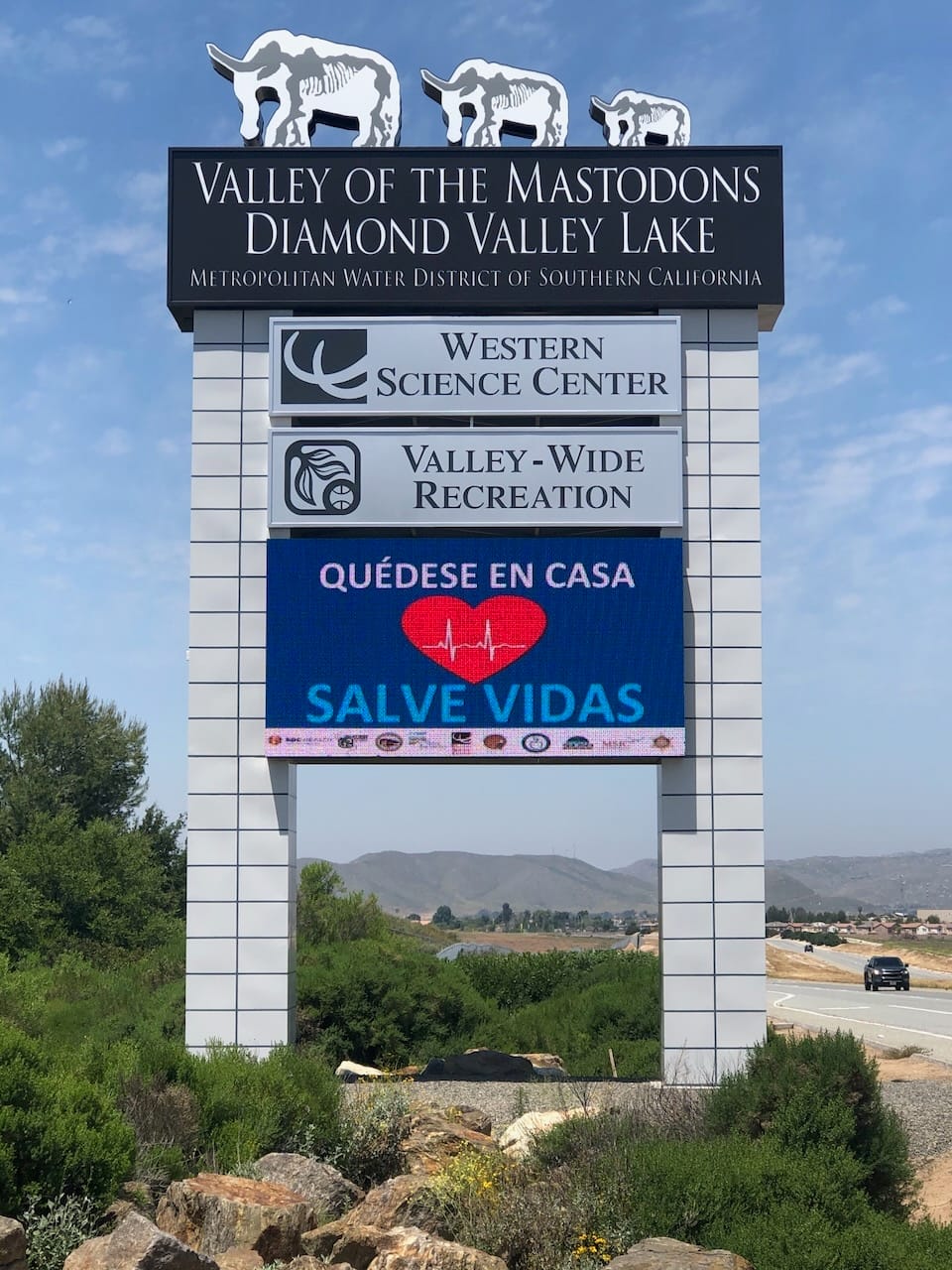
Perhaps nothing illustrates the level of community support we receive as much as the Special Ask. At the end of the evening, when the dinner and auction are over, we do a final "Special Ask"; one particular project that we want to fund. Generally we're looking for $20,000-$40,000, and ask for pledges to be paid before everyone heads home for the evening. Incredibly, we usually reach our goal in about 10-15 minutes, with an average of just under $1000 per donor. Among the projects funded by our special ask: the creation of Max's Mobile Museum, and more recently its new exhibit, Life in the Ancient Seas; our initial 3D printing lab; the food service unit for Western Center Academy; the seed money for our marquee sign on Domenigoni Parkway; an exhibit on our dinosaur research; and the seed money for our upcoming exhibit on the Ice Age fossils of Riverside County.
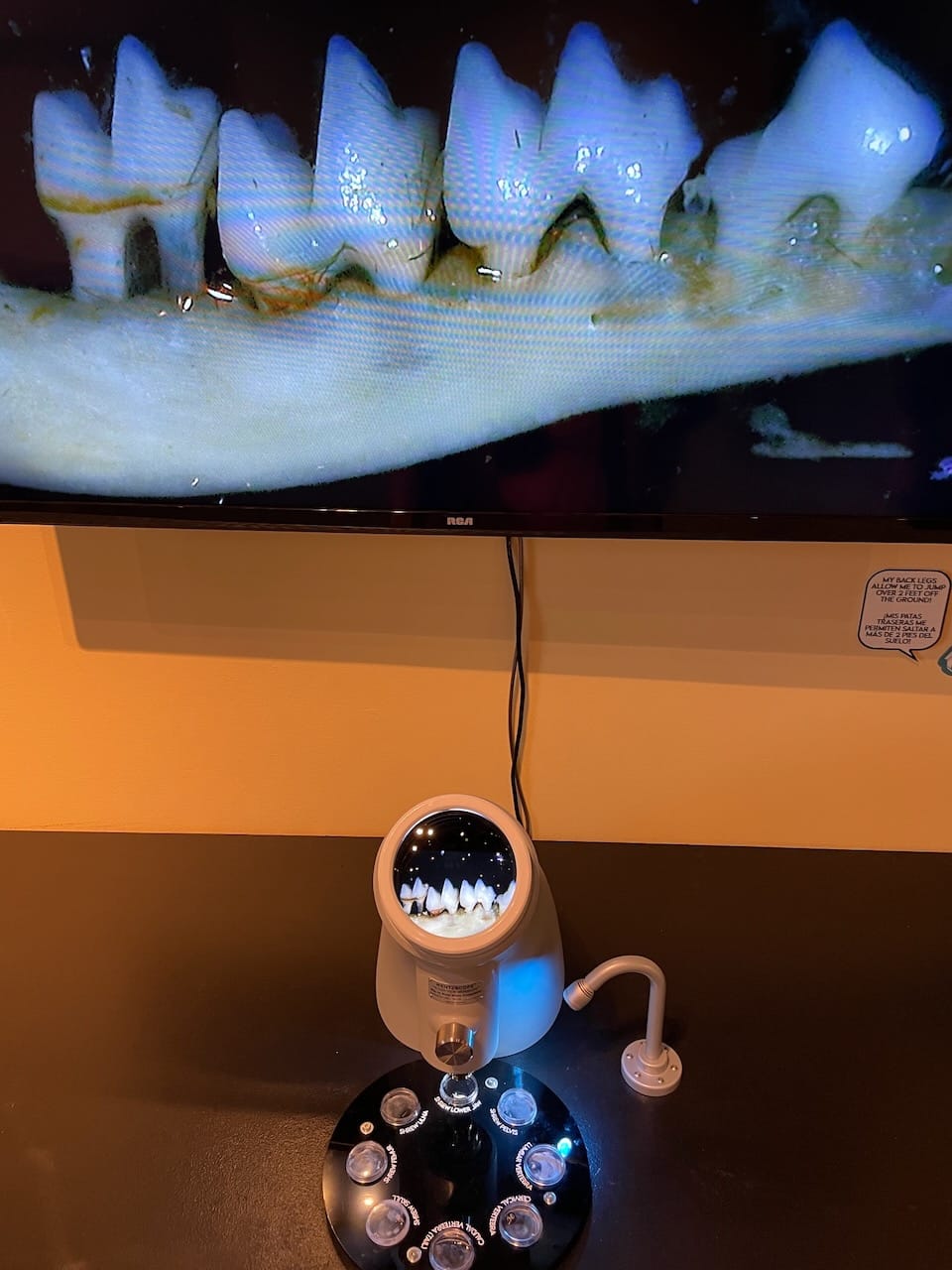
This year our planned Special Ask is to purchase a series of exhibit microscopes for use by our visitors. Many of the specimens we house are fascinating and important, but they're also tiny (we have 10's of thousands of fossil rodent teeth!). It can be difficult to display these specimens to visitors because most microscopes are too fragile to stand up to the rigors of an exhibit. Fortunately, Wentzscope makes a durable microscope specifically for exhibits. We bought one a few years ago to test it out, and it has been very successful, both in terms of durability and popularity with visitors. So this year we're asking our donors to by us several more Wentzscopes, to add to our permanent exhibits and mobile displays. The addition of these microscopes will greatly expand the portion of our collection that we're able to share with the public.
If you're in Southern California, Science Under the Stars is being held this Saturday (19 September 2026) starting at 5:00 pm. Tickets are still available at $150/person and can be purchased online or at the museum. And even if you can't attend in person, you can still contribute to the Special Ask or the museum's general operations.

If you like what you're reading, please consider becoming a paid subscriber or leaving a tip. All proceeds go to cover the cost of maintaining the site and supporting research and education at the Western Science Center.