PaleoCon
This is the 8th in our monthly series of posts celebrating Western Science Center's 20th anniversary.
When I was hired to be the director of the Western Science Center, the museum’s board expressed a desire to make the museum a major center for scientific research. For a small museum, even with an important and understudied collection, this is more difficult than it sounds – “Field of Dreams” is a fantasy in science as well as in baseball. A big issue is that very few scientists are actually paid to do scientific research, especially in paleontology. Instead, they’re usually paid to teach biology, geology, or anatomy. Some may not work in scientific fields at all. Even mitigation paleontologists are paid to get fossils out of the ground, not to do research on them. And research costs money. Even if you’re doing basic measurement and description (no chemical analyses, for example), you still have to travel to wherever the museum is located and house and feed yourself while you‘re there. Unless you’re lucky enough to have one of the vanishingly few grants to subsidize research, there’s rarely money available for travel to small museums.
At WSC we started several initiatives to promote research on the museum’s collection. In addition to hiring a curator, we encouraged other staff to engage in scientific research. We knew we’d still need to bring in outside researchers, so we began making lots of presentations at scientific conferences to promote the work we had done and the potential for additional studies. But we also decided to try something bolder. Those efforts led to PaleoCon, which I discussed briefly last month.
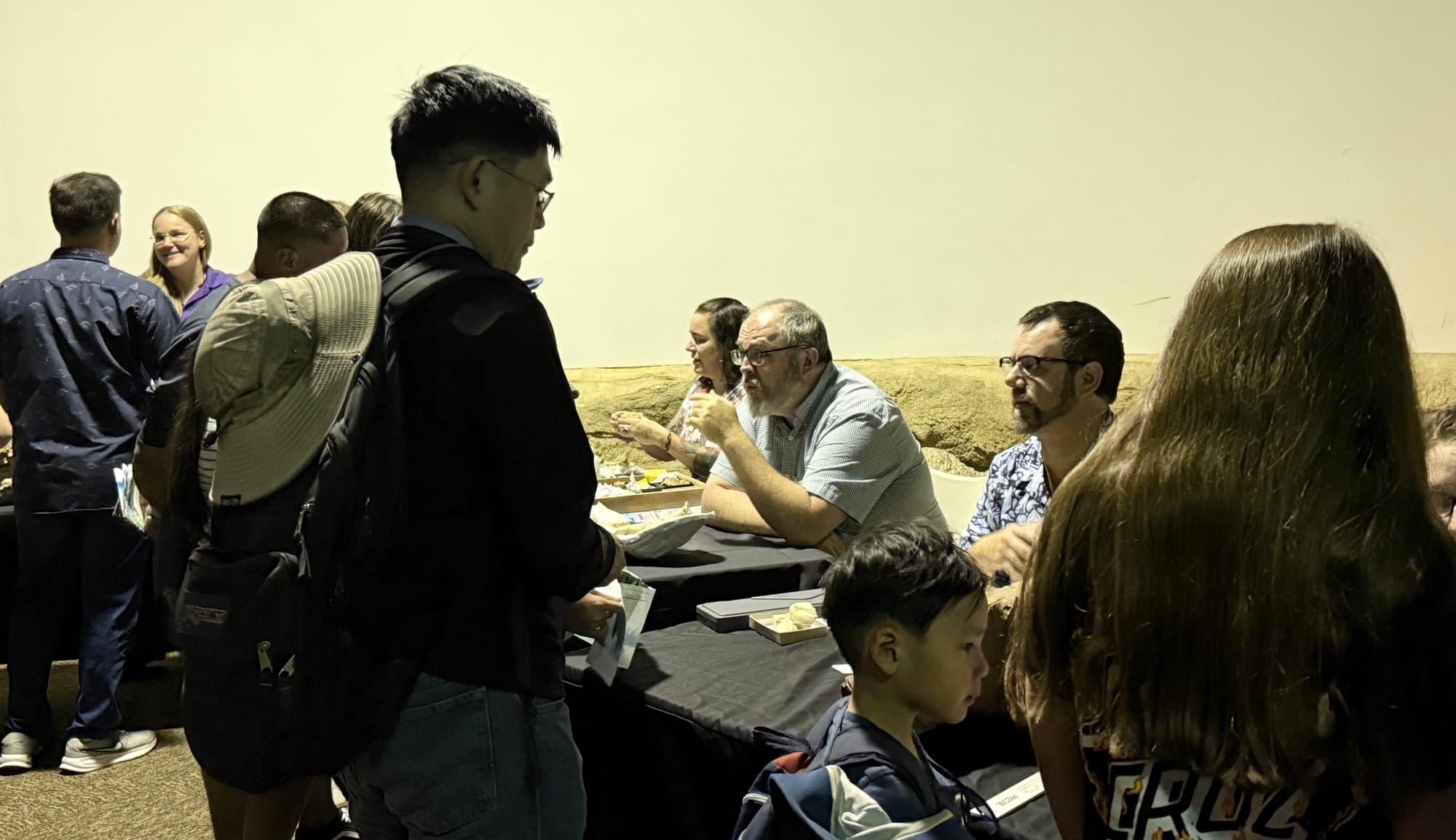
PaleoCon is a 3-day paleontology workshop hosted at the Western Science Center. We invite about a dozen paleontologists, artists, and writers to the museum to collaborate and examine our collections. WSC subsidizes the travel costs for the scientists, and our community steps up to help. Most of the meals for the scientists are donated by local restaurants, and this year we also received hotel discounts and a grant from Riverside County’s 5th district to help cover expenses.
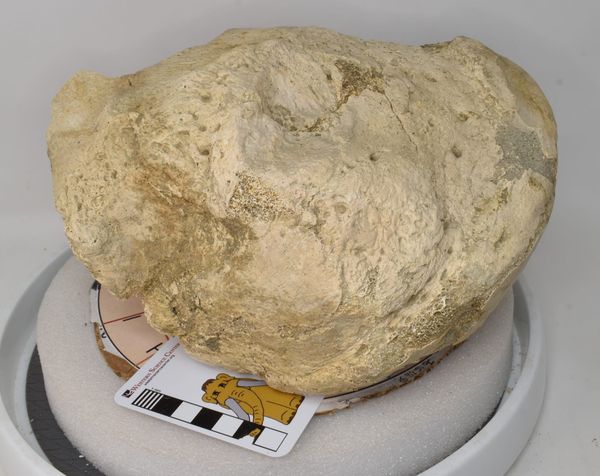
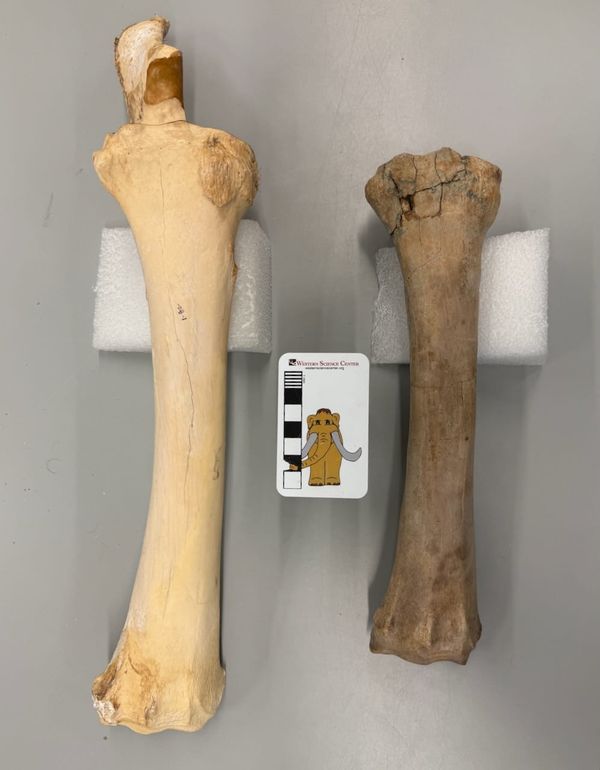
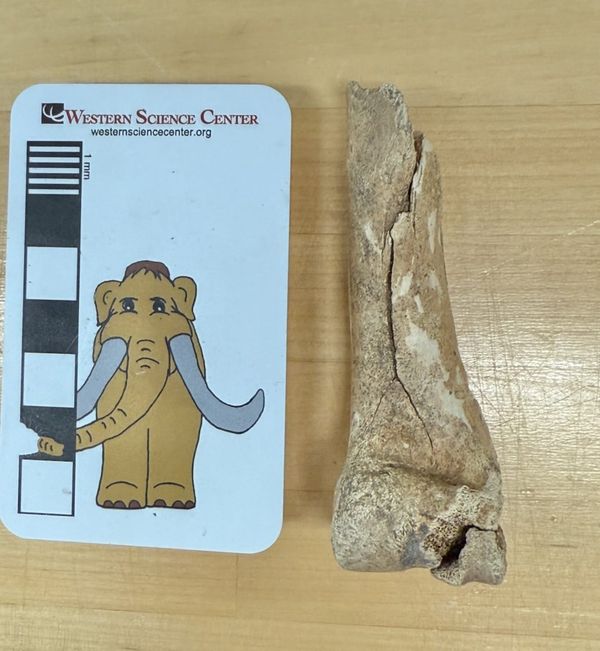
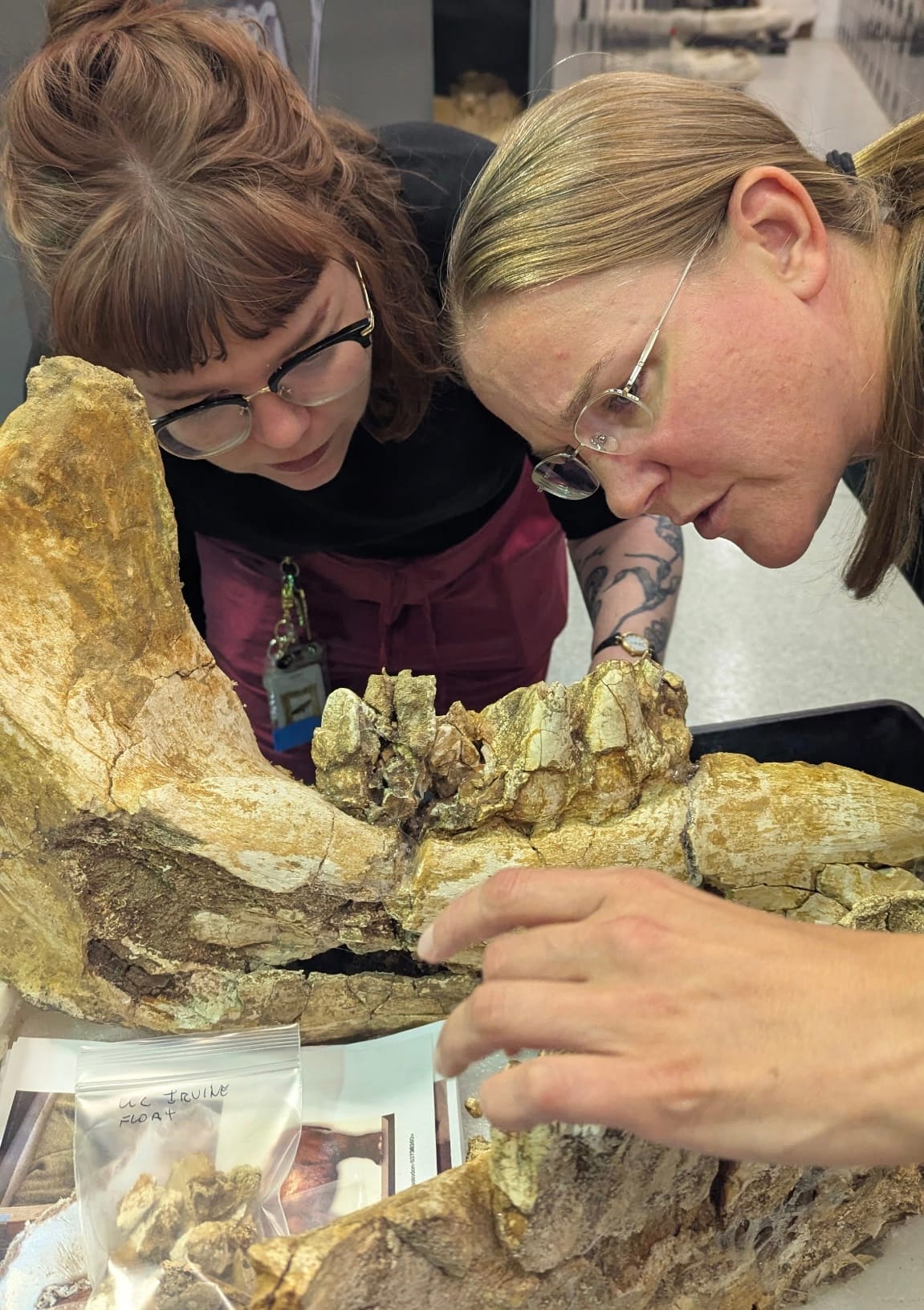
I’ve always felt that the most valuable parts of scientific conferences are not the presentations, but the chances to talk science with colleagues. To that end, the scientists are not asked to prepare talks or posters in advance, and there is very little scheduled agenda during the first day of the event. Everyone looks at specimens from the collection, and shares their thoughts and expertise. In addition to fossils, we usually pull a modern animal out of the freezer for dissection, since some of our participants teach anatomy. Staff and volunteers from the museum participate alongside the visiting scientists.
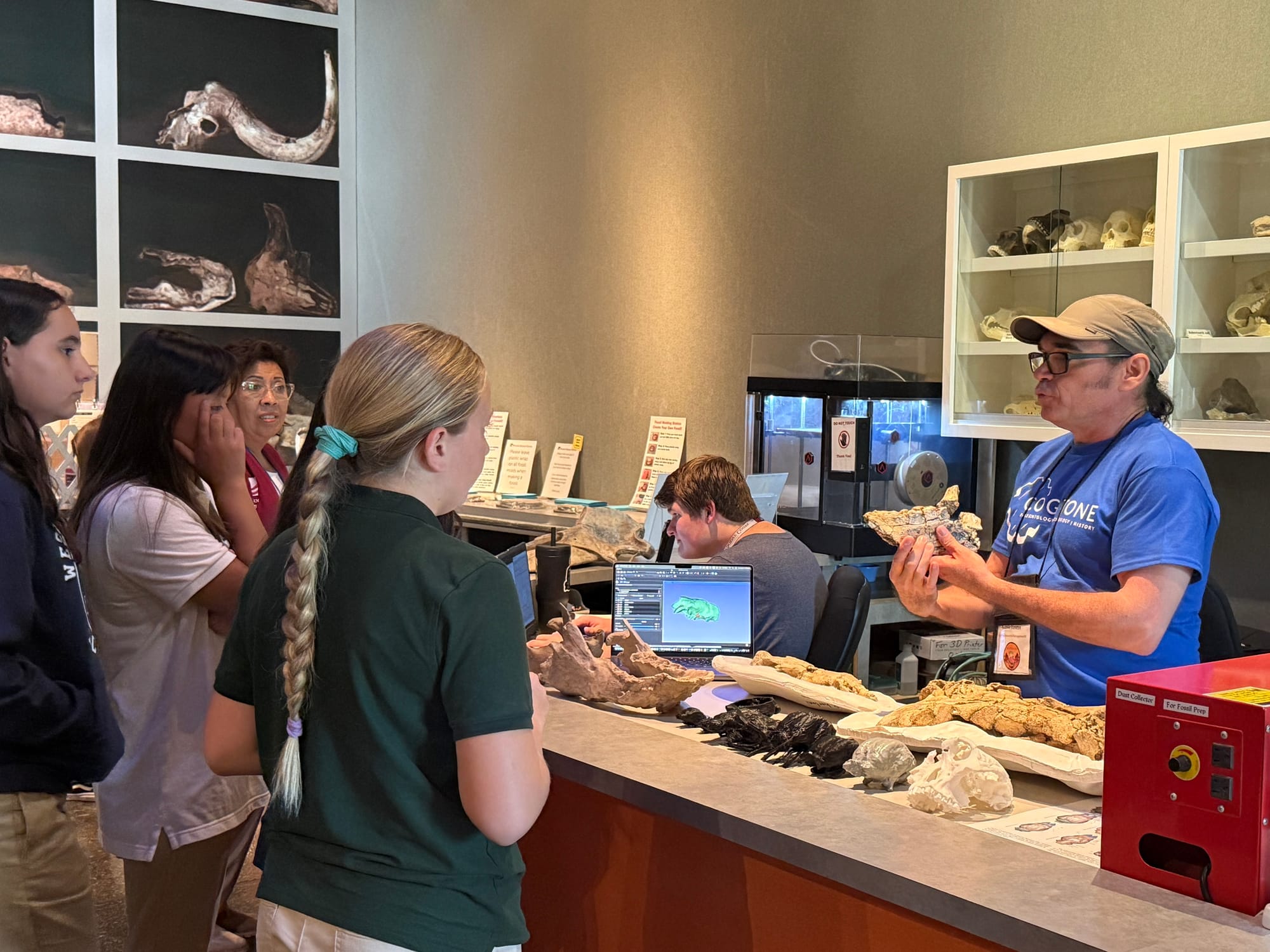
The second day is more of the same, but in keeping with WSC’s philosophy of the relationship between science and outreach, we bring the entire 6th grade from Western Center Academy, 20 kids at a time, to meet with our scientists and learn about what they’re doing here.
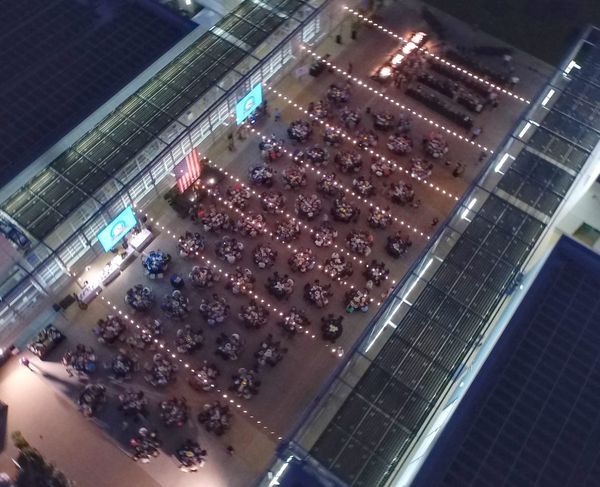
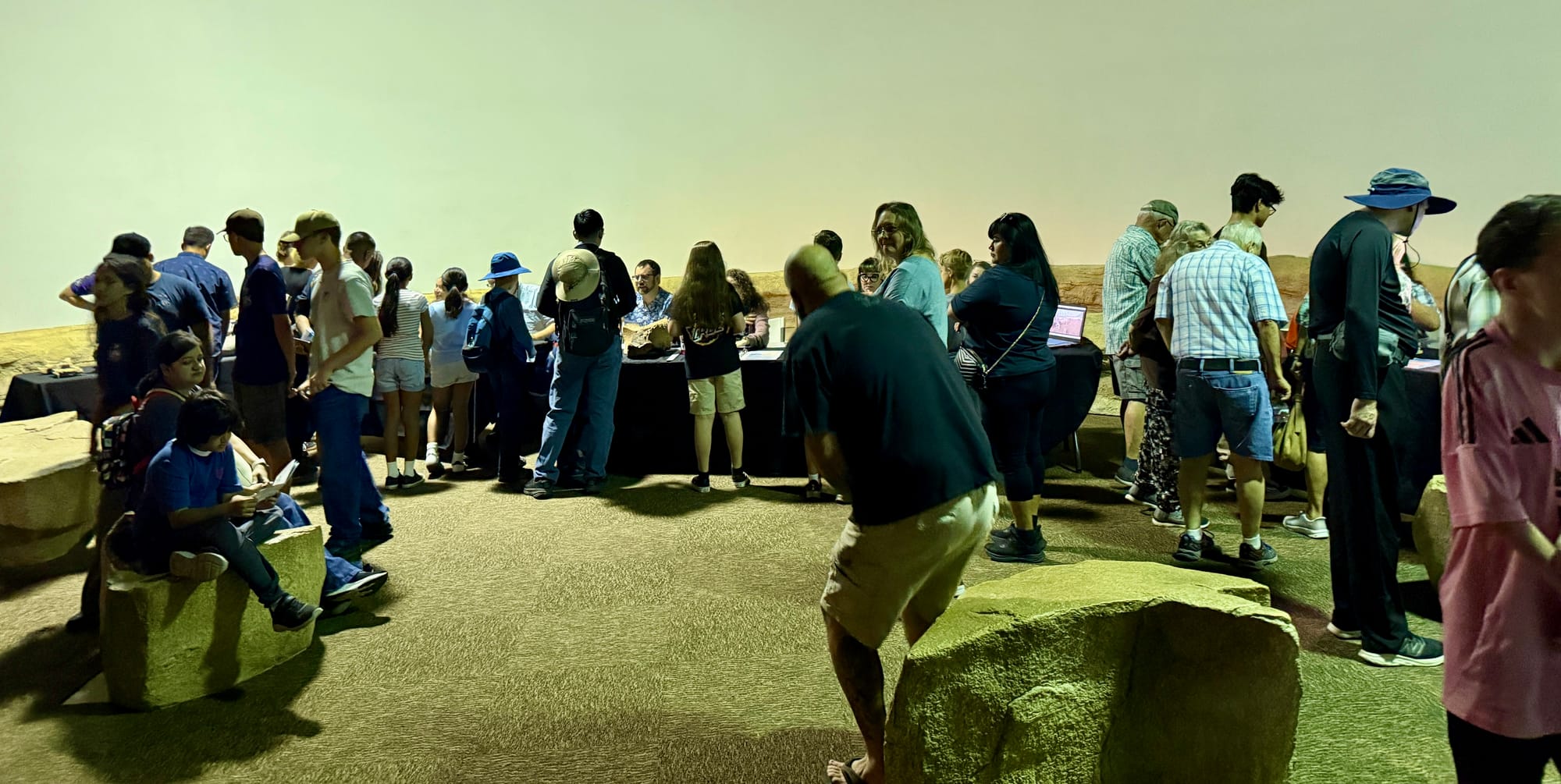
The third day is when the scientists interact with our visitors. Each scientist gets a table on the exhibit floor where they can bring out the specimens they’ve been working on and explain what they’re studying and how these specimens will help them in their research. We also have lectures about paleoart, a reading of paleontology-inspired poetry, and presentations and exhibits from our Teen Ambassador students (I’ll write more about the Teen Ambassadors in a future post).
This year, PaleoCon saw a record 488 visitors on Saturday. Science work featured dissections of a coyote, a lizard, and a raccoon, lots of work on sea cows and sloths (including the discovery of Paramylodon at a site where it had not previously been recognized), discussion about ankle bones, whale jaws, mastodon teeth, deer antlers and pathologies, and Diamond Valley biogeography. Everyone has now returned to their home institutions, but with lots of data to process, papers to write, and new things to think about.

If you like what you're reading, please consider becoming a paid subscriber or leaving a tip. All proceeds go to cover the cost of maintaining the site and supporting research and education at the Western Science Center.